




 About G66 UK
 About Fractal Audio Systems



Preset Download
 | Download James Valentine's Maroon 5 Fractal Preset Important: Adjust the 2nd Scene Level in OUT 1 from 3 to 0 dB. Review all assigned modifiers before using this preset. If you don't have a pedal connected, adjust or bypass relevant blocks (e.g., Volume, Wah). Use the Modifier Overview in the Controllers menu to see all assigned modifiers at a glance | Download |


Overview
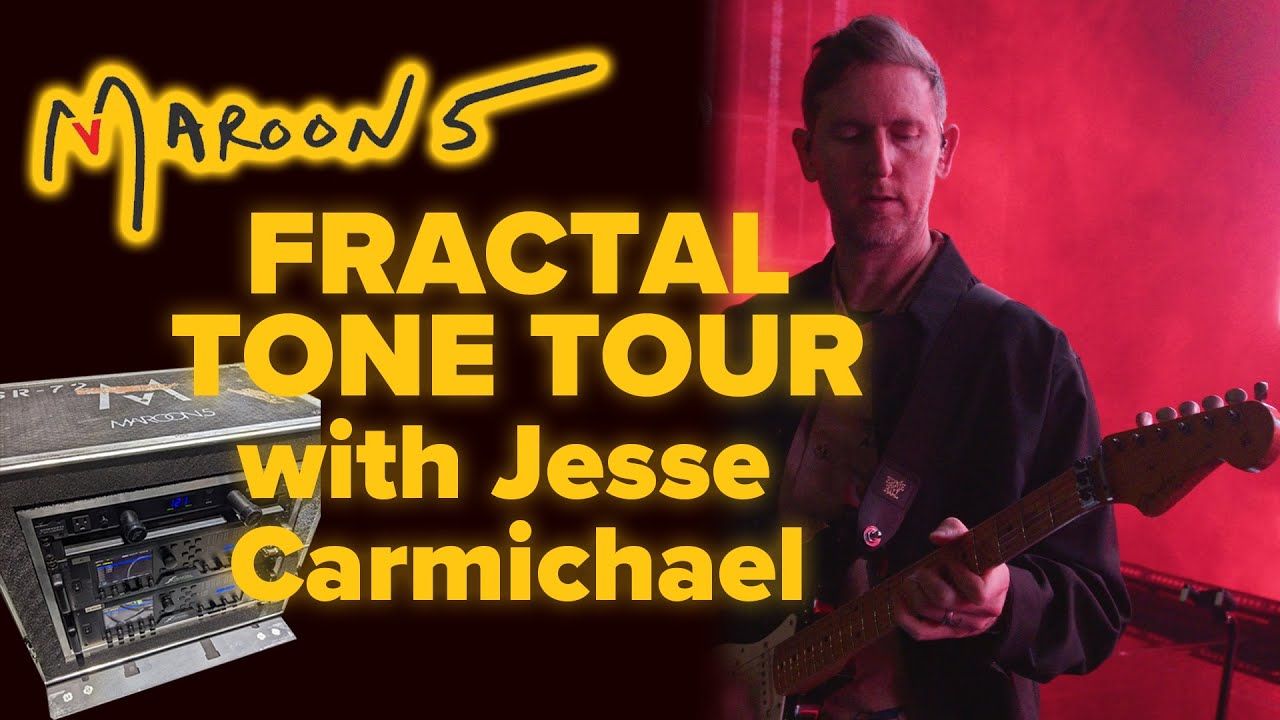
- Tone Tour Video
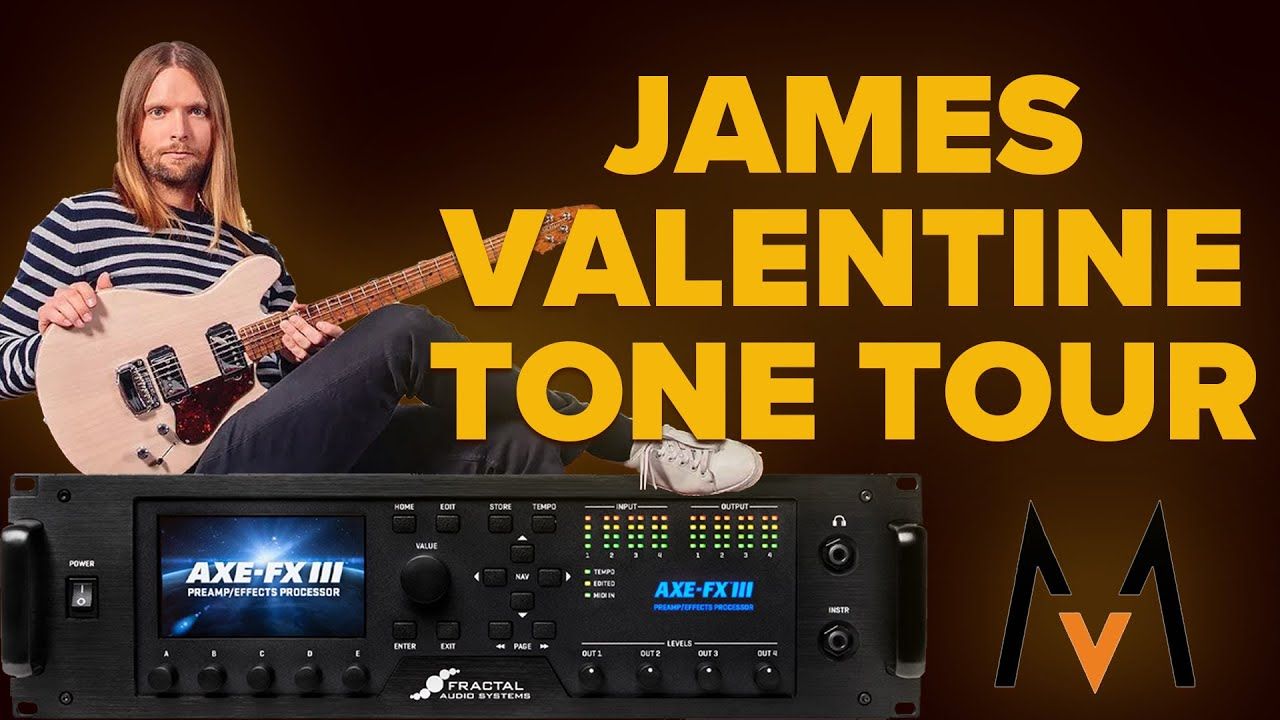
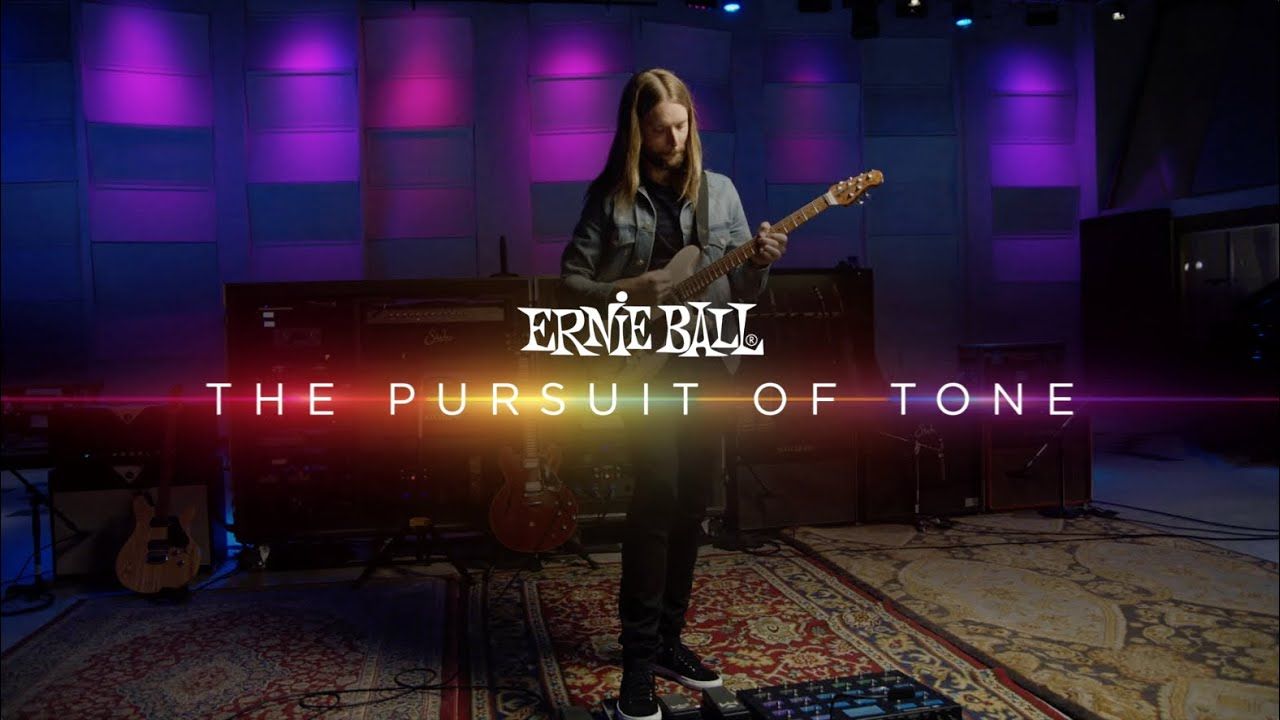
Scroll to the top and click the top image to watch the Tone Tour video - James Valentine: The Road to Fame
- James Valentine's Gear & Fractal Audio Blocks
- Tone Breakdown (The detailed breakdown of the eight presets will be available soon.)
- Socials and more on Maroon 5
Valentine & Levine's "She Will Be Loved"
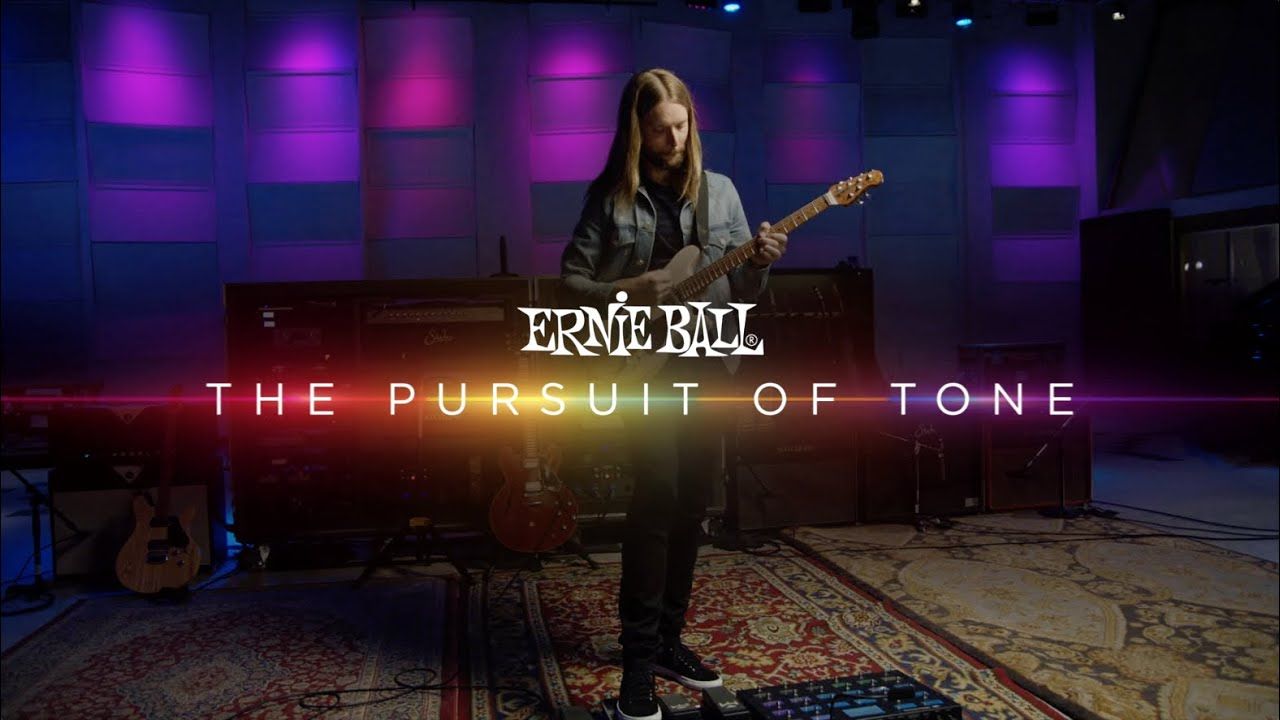
James Valentine's Gear: Recreating Maroon 5's Sounds with Fractal Audio
One of the keys to James Valentine's distinctive sound is his carefully selected gear and as many of the top artists he relies on the Axe-Fx III. His rig is a commitment to tone, combining high-quality instruments and effects to create a palette that's both versatile and expressive. Before we head to his Amps, Cabs and FXs, let's check out James' Signature Guitar.
The Maroon 5 preset offers versatility, and it’s worth noting that each amp responds uniquely to different guitar setups. James’s configuration - a humbucker in the neck and a single-coil in the bridge - offers a wide tonal range. He often uses the middle position for rhythmic and funky parts, combining warmth and clarity for a balanced, punchy sound. For solos, he switches to the bridge position, where the single-coil provides bright, defined tones that easily cut through the mix. The neck position, though less frequently used, adds a warm, full-bodied option when needed.
Signature Guitar
- Ernie Ball Music Man James Valentine Signature: Designed to his specifications, this guitar features a combination of humbucking and single-coil pickups, allowing for a wide range of tones. A beautiful piece of art.
James Valentine's Guitars
Signal Chain - James Valentine Preset
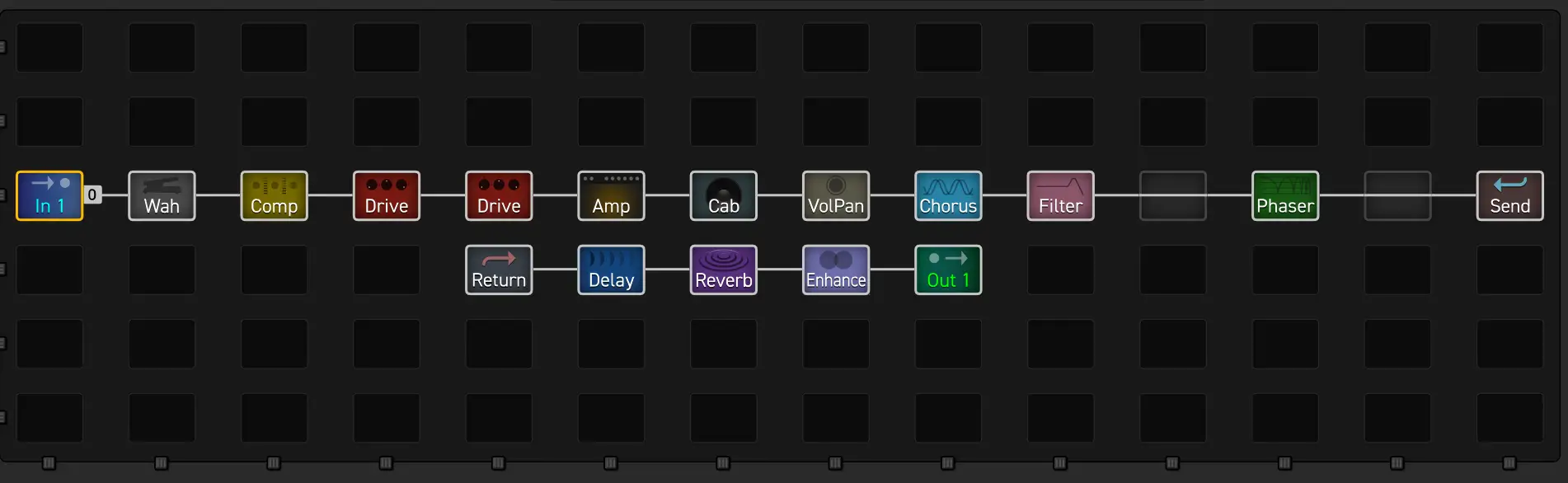
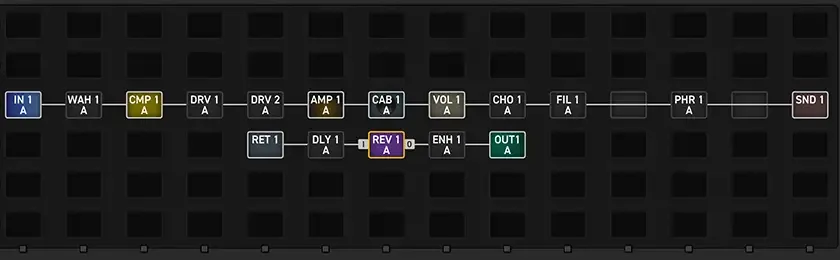
Important: All the parameters to the individual blocks you'll find in the "Tone Breakdown" chapter. Also, the grid below the current section encloses all the blocks, so, amps, cabs and FXs used in the preset. Besides these blocks, the preset has a Volume Block after the Cab which you might need to set up a Pedal for, a 2 dB optional boost (Filter Block) after the Chorus Block, and, just before OUT 1, an Enhancer Block set to 50% width.
This signal chain is set to give you 8 Scenes including a Clean, Dumble, Friedman, ODS Lead, Mesa Lead, Andy Clean, an Ambient Clean, and a special Phaser Tone named VIBE. It blends vintage character with modern versatility. To get all this range of possibilities, let us have a look at the signal chain and the individual blocks first before we set up individual Scenes. The signal chain starts with the Input 1 block, where the guitar signal enters, with two channels set to the classic and advanced Gate mode, followed by a Wah block, modeled after the classic Cry Baby pedal. Positioned early in the chain, the wah allows for dynamic, expressive control over the tone before it hits any other effects and is activated by Pedal 1.
James's Wah Hack - Watch from 22:22
Next is the Optical Compressor, which adds smooth, natural compression. The compressor evens out the dynamics when needed, ensuring the signal remains consistent while retaining the natural feel of the guitar. With the tight rhythm licks, the compressor will let you sit in the mix and tidy up the frequencies while slamming the strings.
From there, the signal moves into two Drive blocks. The first is the Full OD, modeled after the Fulltone OCD, which provides a warm, dynamic overdrive perfect for adding some grit to your rhythm or lead tones. The second drive is the FET Boost, a clean boost pedal that amplifies the signal without adding distortion, pushing the amp harder for solos or more intense sections. These two drives can be used individually or try stacking them, offering a wide range of overdriven tones.
The Amp block is paired with several cabinet models to offer a broad and versatile tonal palette. The first amp model is the Divided by 13 FTR 37, a boutique amplifier known for delivering classic '60s and '70s rock tones, perfect for both clean and overdriven sounds with the drive blocks added. It is paired with the Doubleshow + Trem-O-Verb cabinets, a combination of a 2x15 Doubleshow cab and a 2x12 Trem-O-Verb. This setup provides a rich, warm sound with tight low-end, making it ideal for articulate cleans and powerful rock overdriven tones. In the video you'll find James uses this amp a bunch as it fits perfectly to his signature guitar and also allows him to add pre- or post-effects.
Next, the ODS-100 HRM, based on the Dumble Overdrive Special with the Hot Rubber Monkey (HRM) mod, is known for its smooth, midrange-heavy overdrive. When paired with the Rumble cab (modeled after Cliff’s personal Dumble cab), you probably have one of the best amps in the world at your fingertips, with its expertise in blues and fusion lead tones that need clarity and warmth. The amp can also be paired with the Brit TV cab, adding a British rock flavor to the rich, harmonic overdrive tones of the Dumble amp. This setup is ideal for classic rock and lead tones.
The amps add flexibility to the preset, but, as mentioned earlier, the flexibility is matched to James's special guitar setup with a mix of single-coil and humbucker pickups. If your current guitar doesn't take one of the amps well, try swapping the guitar or adjust the specific amp to your guitar. A workaround is to add a Graphic EQ after the Input Block.
The third amp, the Friedman BE V1 Fat, with its thickened low-mid response, is paired with the Brit TV cab, which emulates a classic Marshall 4x12 loaded with Celestion Greenbacks. This combination delivers a punchy midrange and a warm, vintage-style rock tone, perfect for players seeking a rich, fat sound for rock and high-gain styles.
Finally, the USA JP IIC+, based on the Mesa/Boogie Mark IIC+, is paired with the Brit TV cab to produce tight, high-gain tones with a British rock flavor, ideal for both clean tones and heavier, high-gain metal playing. This combination ensures clarity and punch, making it versatile for modern rock tones.
Now comes the VolPan block for volume, allowing for dynamic fades without compromising the tail. It can be controlled by a Pedal which you might need to setup in the modifier control panel. For this exact reason, we further will ignore the Volume Block. Just note that the Volume Block is AFTER the amp and cab and BEFORE the wet effects. This ensures the wet tail is not affected when turning down the volume. Following the Volume block is where the modulation and spatial effects come into play.
The Chorus block is set to the Dimension 2 mode, modeled after the Roland Dimension D. Known for its subtle and spacious modulation, this chorus widens the stereo field and adds depth without overwhelming the core tone. It’s particularly effective for creating lush, clean tones or adding subtle movement to rhythm parts.
After the Chorus block, the Filter block applies a subtle 2 dB boost for the lead tones, ensuring the signal cuts through the mix with a little extra volume. Do make sure you have the headroom to activate this.
The Phaser block is configured as a Classic Vibe, emulating the legendary Uni-Vibe effect, ackknowledged for its warm, organic sweep. Controlled by the second expression pedal, the rate can be dynamically adjusted during performance, shifting from slow, subtle modulation to faster, more intense sweeps. This phaser is particularly suited for adding vintage-style modulation to both clean and lead tones.
The Delay block is set up across two channels: Channel A is a shorter Analog Stereo delay (375 ms) with a dotted eighth-note tempo, providing a subtle rhythmic echo that adds depth without overwhelming the core tone. Channel B is a longer version of the same delay (750 ms), with a quarter-note dotted tempo, creating more spacious, pronounced echoes that are perfect for ambient passages or slower lead sections. Both channels maintain a moderate mix, keeping the delay as a supporting effect rather than dominating the sound.
Next is the Reverb block, which is set to a Medium Plate reverb on Channel A. This adds a smooth, polished reflection, enhancing the guitar’s presence without overpowering the dry signal. With a 1.45-second decay and a large size setting, this reverb is perfect for filling out the sound while maintaining clarity. The Small Spring reverb on Channel B offers a more textured, lively response, reminiscent of vintage spring reverb tanks, great for adding a retro feel to clean tones. Finally, Channel C features a Medium Room reverb, offering a shorter, tighter ambiance ideal for rhythm playing or more intimate tones.
This is followed by an Enhance block, which further widens the stereo image, adding depth and richness to the overall sound.
The signal then exits through Output 1, sending the processed sound to FOH, your FRFR, or recording setup. Additionally, there’s a Send/Return path in the chain allowing for a longer signal chain.
Overall, this preset offers a powerful combination of vintage warmth and modern clarity. The Cry Baby Wah and Optical Compressor provide dynamic control and balance early in the chain, while the Full OD and FET Boost drive blocks offer a wide range of overdriven tones. The four amps allow all the sounds you will need. The modulation effects - Dimension 2 Chorus and Classic Vibe Phaser - add lush movement, while the Delay and Reverb blocks enhance the sound with rhythmic echoes and spacious reverb. Finally, the subtle 2 dB boost from the Filter ensures the tone stands out in the mix, making this preset ideal for both live performance and studio work, covering a wide range of musical styles.
Div/13 FT37 Low

This model is based on the Divided by 13 FTR 37 amp, a boutique amp known for delivering classic rock tones reminiscent of the late '60s and '70s (think Led Zeppelin and Cream). It uses 6V6 power tubes and is versatile for both clean and overdriven sounds.
ODS-100 HRM

This is modeled after the Dumble Overdrive Special (ODS), particularly the Hot Rubber Monkey (HRM) version. Dumble amps are highly sought-after for their smooth, dynamic overdrive and rich harmonic content. The HRM mod accentuates the midrange, giving it a unique voice that's perfect for blues and fusion.
Friedman BE V1 Fat
This model represents the Friedman BE-100 with the "Fat" switch engaged, which adds more low-mid thickness to the tone. The BE-100 is a modern high-gain amp inspired by classic Marshall tones, delivering a tight low-end and rich harmonics.
USA JP IIC+ Yellow
Based on the Mesa/Boogie Mark IIC+, a legendary amp known for its tight, high-gain tones, made famous by players like John Petrucci. The "Yellow" likely refers to a particular channel or voicing option, which provides a versatile range of tones from clean to high-gain.
2x15 Doubleshow (RW)

Based on a 2x15-inch speaker cabinet with Scumback speakers or something similar, delivering a full and powerful sound often used for big, clear tones with extended low-end response. It's great for surf rock or styles where you need depth.
2x12 Trem-O-Verb 121 B
A Mesa/Boogie Trem-o-Verb 2x12 cabinet, known for its rich, warm sound with tight bass. The Trem-O-Verb is favored for its versatility, from bluesy cleans to high-gain tones, thanks to its design which emphasizes articulation even at higher volumes.
4x12 Rumble-12L 160 A
The 4x12 Rumble-12 160 A is a closed-back 4x12 cabinet based on Cliff’s personal Dumble cab, featuring EV EVM-12L and EV-S speakers in an X-pattern. This setup delivers a perfect balance of powerful, tight lows (EVM-12L) and warm, harmonically rich mids and highs (EV-S). The closed-back design offers a focused, punchy sound, ideal for both clean tones and thick overdriven sounds. It's perfect for guitarists seeking both power and clarity in their tone.
4x12 Brit TV 57 C1 ML
Based on a Marshall 4x12 'TV' cabinet, this model likely uses Celestion Greenbacks or similar speakers, delivering classic British rock tones. It has a warm midrange, great for producing punchy, vintage tones typical of hard rock and classic metal.
Cry Baby

The classic Cry Baby model, known for its expressive, vocal-like sweep. Controlled via Pedal 1, it allows real-time manipulation for dynamic expression. The frequency range moves from 267 Hz to 1414 Hz, with a resonance (Q) of 6.25, giving it a distinct, punchy "quack." With additional warmth from the inductor bias and fat controls, this wah delivers a rich, full tone. Auto-engage is set at 5%, ensuring seamless activation when the pedal is moved, making it perfect for adding expressive flair to solos and rhythmic parts.
Optical Compressor

The Optical Compressor in this setup is used to achieve smooth, natural compression without altering the overall tone - a hallmark of James Valentine's sound. The compressor is set for moderate compression:
- Allowing attack, but still handling peaks quickly, ensuring smooth control of dynamic spikes.
- Tungsten light type for a slightly warmer and more musical response.
- Release times that allow the notes to sustain naturally without being cut off too abruptly.
Full OD

The Full OD is modeled after the Fulltone OCD, known for its rich, dynamic response that bridges overdrive and distortion. It offers a warm, tube-like tone that reacts well to picking dynamics and guitar volume. This makes it perfect for transitioning between clean and crunch sounds without needing to adjust the effect.
Tone Characteristics: Warm and transparent, great for both smooth rhythm and punchy lead tones. In the preset, the moderate Drive setting (3.15) suggests a subtle, gritty tone for clean rhythm work, typical of Maroon 5’s funkier tracks.
FET Boost
The FET Boost is a clean boost pedal designed to amplify the signal without significant distortion. It adds clarity and headroom, making it ideal for pushing the amp harder or enhancing leads.
Tone Characteristics: Transparent and clean, adding volume without coloring the sound. In the preset, the high Drive setting (7.00) indicates it's used to push the amp into heavier saturation, for solos or more intense rhythm sections.
Dimension 2

The Chorus 1 block is set to Dimension 2, modeled after the Roland Dimension D, known for its subtle and spacious modulation. Unlike more intense chorus effects, this type gently enhances stereo width and depth without overwhelming the core tone.
With a slow modulation rate (0.670 Hz) and moderate depth (53.2%), the chorus adds smooth movement to your sound. The stereo spread is set to 100%, creating a wide and immersive sound field, perfect for adding subtle richness to clean tones. This chorus works best for ambient textures or adding depth to rhythmic guitar parts, fitting well with clean, lush tones.
Classic Vibe

The Phaser block is set to the Classic Vibe type, which emulates the vintage Uni-Vibe sound known for its warm, organic sweep. This phaser is perfect for adding depth and movement to clean or lead tones, especially in classic rock or blues settings. The rate is controlled via the second expression pedal, allowing dynamic adjustment from a slow 1.101 Hz to a fast 10.000 Hz, making it ideal for live use where real-time control is essential. With the depth set at 8.00, the phaser creates a strong, noticeable modulation, while the mix at 60% ensures the effect stands out without overwhelming the dry signal. The 4-stage phaser offers smooth and classic modulation, providing a rich, vintage tone.
Analog Stereo

The Analog Stereo delay is used across two channels, offering a blend of warm, vintage delay tones. Channel A is set to 375 ms with a dotted eighth-note tempo, providing a subtle, rhythmic delay. The feedback is set at 20% on the left and 44.7% on the right, creating a gentle stereo spread that adds width without overpowering the dry signal. The mix is set at 15%, ensuring the delay sits softly in the background.
Channel B extends the delay time to 750 ms, synced to a quarter-note dotted tempo. This longer delay creates a more spacious, pronounced echo, making it ideal for ambient or slower sections where the delay can be more noticeable. Despite the extended delay time, the feedback settings remain the same, maintaining a balanced stereo image. Like Channel A, the mix is kept at 15%, allowing the delay to enhance the overall sound without becoming too prominent.
Ambient Stereo
The Ambient Stereo delay is designed to produce expansive, atmospheric effects. Set at 475 ms, it doesn’t rely on tempo sync, allowing for more freeform echoes. With feedback set at 40% on the left and 63.2% on the right, this delay creates a deep, evolving echo that fills out the stereo field. The mix is set at 30%, making this delay more present in the overall tone, perfect for creating lush, immersive soundscapes that enhance ambient playing styles.
Medium Plate

The Medium Plate reverb adds a classic, smooth reflection, perfect for creating a wide, polished sound without overwhelming the dry signal. With a decay time of 1.45 seconds and a large size setting (46.5), it offers a balanced, natural reverb ideal for adding space to lead or rhythm parts. The mix is set at 10%, allowing the reverb to enhance the sound subtly, while the spread is set to 90%, ensuring a wide stereo field.
Small Spring
The Small Spring reverb emulates the familiar spring tank reverb, known for its "drip" and characteristic bounce, commonly heard in surf rock or vintage tones. With a longer decay time of 2.00 seconds and a moderate size (38.0), this setting adds more texture and liveliness to the signal. The mix is set at 15%, allowing for a stronger presence of reverb in the overall sound, making it great for clean tones needing a touch of retro flavor.
Medium Room
The Medium Room reverb provides a shorter, tighter reverb space, adding natural ambience without excessive decay. Set at 0.90 seconds, this reverb is more subtle and controlled, ideal for rhythm parts or more intimate, direct tones. The mix is at 20%, offering a bit more reverb in the sound while maintaining clarity, and the spread is set at 80% to keep the stereo image intact without overextending it.
James Valentine Clean Tone - Scene 1
Signal Path: IN1 A ➔ Comp A ➔ Amp A ➔ Cab A ➔ Rev A ➔ Out1 A
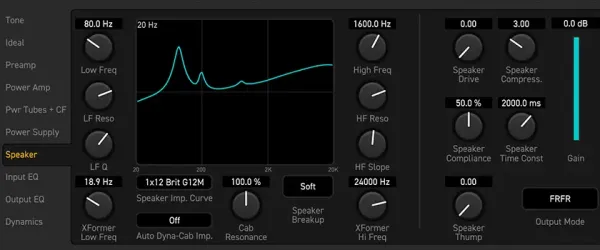
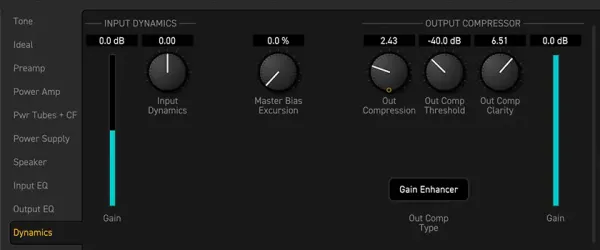
In this Scene, we're diving into James Valentine's signature clean tone. At the heart of this setup is the Divided by 13 FTR 37 amp model, renowned for its boutique charm, combining modern build quality with a tone inspired by classic rock amplifiers. The sound evokes the warmth and richness often associated with vintage amps, making it suitable for genres that span from classic rock to modern indie - the Gain is set to 4.85, providing just enough edge to make it sing without crossing into breakup territory. The Bass, Mid, and Treble controls (set to 5.00, 5.20, and 5.40 respectively) are just subtly tweaked, while the Bright Switch adds that unmistakable sparkle - perfect for intricate picking and expressive chord work. While the amp is not known as a "hyped" amp such as the AC-20, there are some changes in the advanced settings which seem to let the amp shine. Cooper and James have changed the speaker impedance from default to the Marshall style impedance curve in the speaker menu and have added some output compression in the dynamics menu. Compare these settings with the standard amp and if you like it, try changing these settings in your favourite presets, too.
The signal path kicks off at Input 1, set in Advanced Mode with a Threshold of -58.9 dB, expertly managing dynamics to keep the sound consistent yet expressive.
The Optical Compressor, one of the unsung heroes of this tone, is dialed in to polish each note with finesse. With an Attack Time of 2 ms, it catches the initial punch while letting each transient breathe. The Release Time of 88 ms allows the compression to fade out naturally, creating an even sustain that makes every chord shimmer just a little longer - almost like you're playing in a sunlit room where every note has time to glow.
The amp settings are about balance: the Master Volume is cranked to 7.90, pushing the power section for that organic fullness - a sound that fills the room and reacts beautifully to your touch. The Bright Switch is like a secret ingredient; it adds that high-end shimmer, bringing a crisp brightness to the tone, perfect for evocative arpeggios and clean passages reminiscent of iconic '70s and '80s clean guitar sounds.
To complete the sonic landscape, James as chosen a combination of two distinct cabinets. The 2x15 Doubleshow adds depth, giving a rich low-end that you can almost feel in your chest, while the 2x12 Trem-O-Verb provides clarity and detailed articulation that cuts through the mix without ever sounding harsh. Think of this as the perfect blend of warmth and focus - much like the rich resonance of a vintage jazz record, but with the precision of a modern production. The Low Cut at 20 Hz and the High Cut at 20,000 Hz could be something you can adjust to your taste.
Then there’s the reverb - Medium Plate, set subtly at 10%. It's just enough to create a sense of space, like playing in a cozy club where every note has room to breathe but doesn’t get lost in the air. The 1.45-second decay gives you that touch of ambiance without drenching your tone. With the Spread set at 90%, the reverb blooms out to the edges of the stereo field, giving a luscious sense of depth that never overwhelms your core sound.
Key Settings to Highlight
-
Dynamic Control: The Optical Compressor tames inconsistencies, creating a clean tone that is polished yet deeply expressive, making every note feel intentional and full of character.
-
Vintage Character: The Divided by 13 FTR 37 amp captures the warmth and sparkle of boutique tube amps - catch the advanced settings below and find some interesting parameters to play with.
-
Cabinet Clarity: The dual cab setup ensures a full-bodied sound with both punch and sweetness, making it suitable for both rhythm playing that needs body and lead lines that need definition.
-
Ambient Touch: The reverb adds a subtle yet vital atmosphere - just enough to make your playing feel alive, perfect for nuanced passages that need a touch of magic.
This preset is like a storyteller - it’s perfect for complex chord work, lush arpeggios, and any style where a pristine, defined clean tone is essential. It’s the kind of tone that makes you want to keep playing, discovering how each note blooms and interacts with the next. The careful balance of settings ensures that every nuance is captured, every detail is preserved, and nothing is lost in translation. Whether you're playing in a small club, a studio session, or just practicing in your room, this tone will inspire you to play your best, every single time.
And don't worry - if you haven't had the FTR 37 on your amp list, too, well... what a wonderful amp it can be.
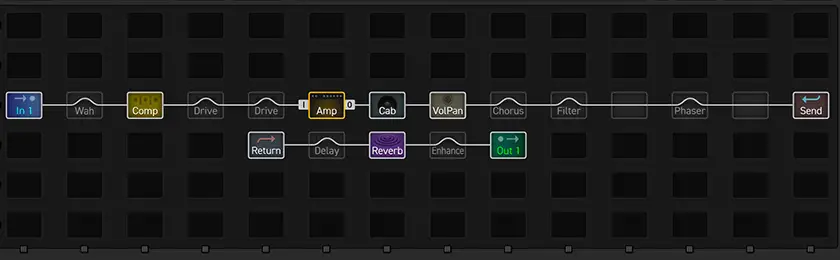
Block Settings - Scene 1 - Click to open
- Mode: Advanced
- Threshold: -58.9 dB
- Ratio: 2.00
- Attack: 1.00 ms
- Release: 19.99 ms
- Gate Type: Classic
- Input Impedance: Auto (1M)
- Threshold: -39.7 dB
- Compression: 6.13
- Attack Time: 2.000 ms
- Release Time: 87.98 ms
- Light Type: Tungsten
- Auto Att/Rel: On
- Mix: 100%
- Level: 0.00 dB
- Input Level: Instrument
James has gone deep into the amp settings. Check the advanced parameters in the slideshow below.
- Gain: 4.85
- Bass: 5.00
- Mid: 5.20
- Treble: 5.40
- Bright Switch: On
- Master Volume: 7.90
- Level: -3.2 dB
- Cab 1:
- IR Name: 2x15 Doubleshow (RW)
- Level: 0.00 dB
- Cab 2:
- IR Name: 2x12 Trem-O-Verb 121 B
- Level: 0.00 dB
- Pan: Centered
- Floor Reflections (Room/Air Menu): 0%
- Low Cut: 20.0 Hz
- High Cut: 20,000 Hz
- Time: 1.45 sec
- Size: 46.5
- Crossover Freq: 719.99 Hz
- High Decay: 0.3
- Mix: 10%
- Spread: 90%
- Quality: High (set to Ultra-High if needed)
- Echo Density: 8
- Advanced Parameters:
- Input Diffusion: 30%
- Ducker Threshold: 20 dB
- Depth Modulation: 25 %
- Rate: 0.3 Hz
- Low Cut Freq: 97.4 Hz
- High Cut Freq: 8000 Hz
James Valentine Dumble Amp - Scene 2
Signal Chain: IN1 B ➞ Amp B ➞ Cab B ➞ Rev A ➞ Enhancer A ➞ Out1 A
Scene 2 brings you the smooth, harmonically rich overdrive of the Dumble Overdrive Special, modeled here as the ODS-100 HRM. This amp is legendary for its silky overdrive and dynamic responsiveness, making it a go-to for blues and fusion styles. Imagine the tone of Larry Carlton, Stevie Ray Vaughan, John Mayer, or Robben Ford - an overdrive that responds to your playing like no other, and never loses its clarity.
The Gain is set to 5.59, and the Overdrive cranked to 9.93 - pushing the amp into its sweet spot. This setting delivers a creamy sustain that is perfect for expressive soloing. The Bass, Mid, and Treble controls are finely balanced (3.92, 5.89, and 6.00, respectively), with the Presence at 3.78. The Master Volume at 5.00 allows the power amp to breathe, resulting in a dynamic and touch-sensitive response. The higher Overdrive Volume setting from 5 to 10 enhances the characteristic 'creamy' and 'singing' tone these amps are famous for. With the Overdrive Volume pushed to 10, you'll get increased saturation and harmonic warmth, making it perfect for expressive solos. The dynamic response and harmonic richness are unmistakable, providing a highly musical experience.
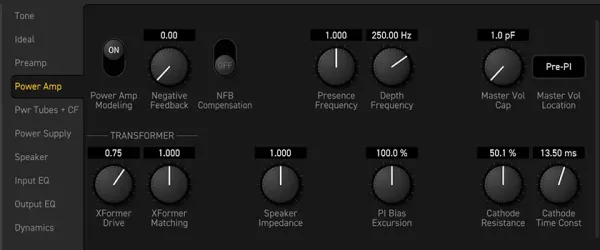
In the Advanced Settings, the NFB Compensation in the Power Amp section is set to "Off." If the NFB Compensation is turned "Off," the volume compensation provided by negative feedback at the amp's output is disabled. This may lead to changes in the amplifier’s dynamic response and tone, potentially making the amp feel more raw and unfiltered. This can be especially useful for users who prefer a more authentic, uncompressed response, as it might more closely resemble the behavior of traditional tube amps when pushed to high volumes.
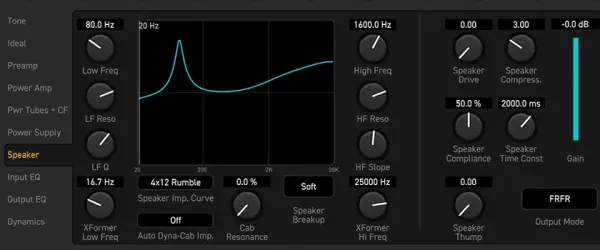
The Speaker Tab settings have been updated to provide specific tonal characteristics. The Low Frequency resonance is set at 80 Hz, emphasizing the bass response for a fuller sound, while the High Frequency resonance at 1600 Hz enhances presence and clarity. The Speaker Breakup is set to 'Soft', introducing gentle distortion at high volumes for a warmer, more musical tone. Speaker Thump is set to 1.25, increasing the punch in the low end. The Cab Resonance is at 0%, reducing boominess and focusing the sound, while the Speaker Compression is set to 3.0 with a Time Constant of 2000 ms, giving a saggy, dynamic response typical of Dumble-style amps.
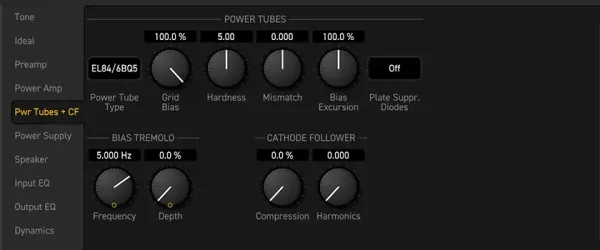
James Valentine often uses settings like the Master Bias Excursion deliberately to achieve specific tonal qualities characteristic of his playing style and sound. Setting the Master Bias Excursion in the Dynamics Section to 0% helps maintain consistency and clarity in the tone. At 0%, the bias remains stable regardless of volume or dynamics, which means the sound stays clear and defined even during aggressive playing or complex chords. This is particularly beneficial for Valentine, whose rhythmic and precise playing style with Maroon 5 requires a tight and clean sound that integrates seamlessly into the band's overall mix, without becoming muddy or over-compressed. The lack of tube compression also provides a more modern and transparent tone, ideal for pop-rock music where a direct, uncolored sound is often preferred.
Paired with the 4x12 Rumble-12L 160 A cabinet, based on Cliff's personal Dumble cab, this setup offers tight lows and smooth highs. The cab is voiced to complement the amp's midrange focus, ensuring that solos have a singing quality while rhythm parts retain their definition and punch. Adjust the Low Cut at 20 Hz and High Cut at 20,000 Hz to your needs.
Be aware that the Input Block is set to Channel B with a Threshold of -39.4 dB, Ratio of 2.00, Attack time of 1 ms, and Release time of 10 ms, ensuring fast response and smooth dynamics. The Classic Gate, used in Scene 1, is ideal for simpler noise suppression and provides straightforward control without dynamic adjustment. In contrast, the Intelligent Gate in this Scene is particularly beneficial for dynamic playing or when maintaining subtle tones and nuances is essential. It also works well for highly distorted sounds, offering a natural decay. To further enhance the tone, Cooper and James have added an Enhancer set to Modern, with Width and Depth at 50%. This effect brings a three-dimensional quality to your sound, making it feel larger-than-life, especially for single-note lines and melodic passages. It adds a sense of spaciousness, almost as if the sound is wrapping around the listener. The Enhancer adds remarkable power, seamlessly transforming your tone with a studio-quality polish. It pushes your sound from mono to a wide stereo field, creating an immersive experience that fills the space, perfect for captivating live performances. Use the Enhancer to build depth during different sections of a song—start with a narrower tone for verses to keep things intimate, then activate the stereo width for choruses and solos to expand the sound, adding dramatic impact and emphasizing key moments in your performance.
The Medium Plate Reverb remains from Scene 1, providing a consistent ambient backdrop that ties both scenes together. The subtle reverb at 10% keeps the tone lively without washing it out, perfect for those emotional, expressive solos.
Do make sure to correct the Scene Level in the Output Block - set it to 0 dB or adjust it to your needs.
Key Highlights
-
Silky Overdrive: The amp delivers a rich, dynamic overdrive that’s touch-sensitive and perfect for expressive soloing. The high Overdrive Volume adds creamy saturation, ideal for capturing a harmonically rich and singing tone.
-
Midrange Focus: The amp and cab pairing emphasizes the midrange frequencies, ensuring that lead playing cuts through the mix with clarity and warmth. This focus is perfect for solos that need to stand out without overpowering other instruments.
-
Enhanced Depth and Stereo Width: The Enhancer effect adds a three-dimensional quality, transforming the tone with a studio-grade polish. The ability to adjust stereo width throughout different song sections provides dramatic impact, especially effective for emphasizing choruses or solos, making the overall experience more immersive and dynamic.
This preset demands a nuanced overdrive tone. It’s the kind of tone that makes each note feel significant, allowing you to convey emotion and detail with every phrase, but still has that modern compression to it to sit tight in the mix. Whether you’re stepping into a blues jam, laying down a fusion solo with added effects, or simply exploring the limits of dynamic overdrive, this scene will inspire you to push your playing further.
Block Settings - Scene 2 - Click to open
- Threshold: -39.4 dB
- Ratio: 2.00
- Attack: 1.00 ms
- Release: 10.00 ms
- Gate Type: Intelligent
- Input Impedance: Auto (1MΩ)
- Gain: 5.59
- Overdrive: 9.93
- Bass: 3.92
- Mid: 5.89
- Treble: 6.00
- Presence: 3.78
- Master Volume: 5.00
- Level: -7.1 dB
- Cab 1:
- IR Name: 4x12 Rumble-12L 160 A
- Level: 0.00 dB
- Pan: Centered
- Low Cut: 20.0 Hz
- High Cut: 20,000 Hz
- Time: 1.45 sec
- Size: 46.5
- Crossover Freq: 719.99 Hz
- High Decay: 0.3
- Mix: 10%
- Spread: 90%
- Quality: High (set to Ultra-High if needed)
- Echo Density: 8
- Advanced Parameters:
- Input Diffusion: 30%
- Ducker Threshold: 20 dB
- Depth Modulation: 25 %
- Rate: 0.3 Hz
- Low Cut Freq: 97.4 Hz
- High Cut Freq: 8000 Hz
- Width: 50.0%
- Depth: 50.0%
- Low Cut: 100.0 Hz
- High Cut: 2000.0 Hz
- Level: 0.0 dB
Advanced Amp Speaker Parameters - ODS-100 HRM, Channel B
Tone Tours, Fractal Friday & Masterclass
For more insights on using the Axe-Fx III and other Fractal Audio Systems products, visit the Product Page, Fractal Audio Wiki, or Forum. To purchase your unit, head to our shop and for in-depth learning, check out Cooper Carter’s Complete Fractal Audio Master Class Series. Also check out more Artist Tone Tours.